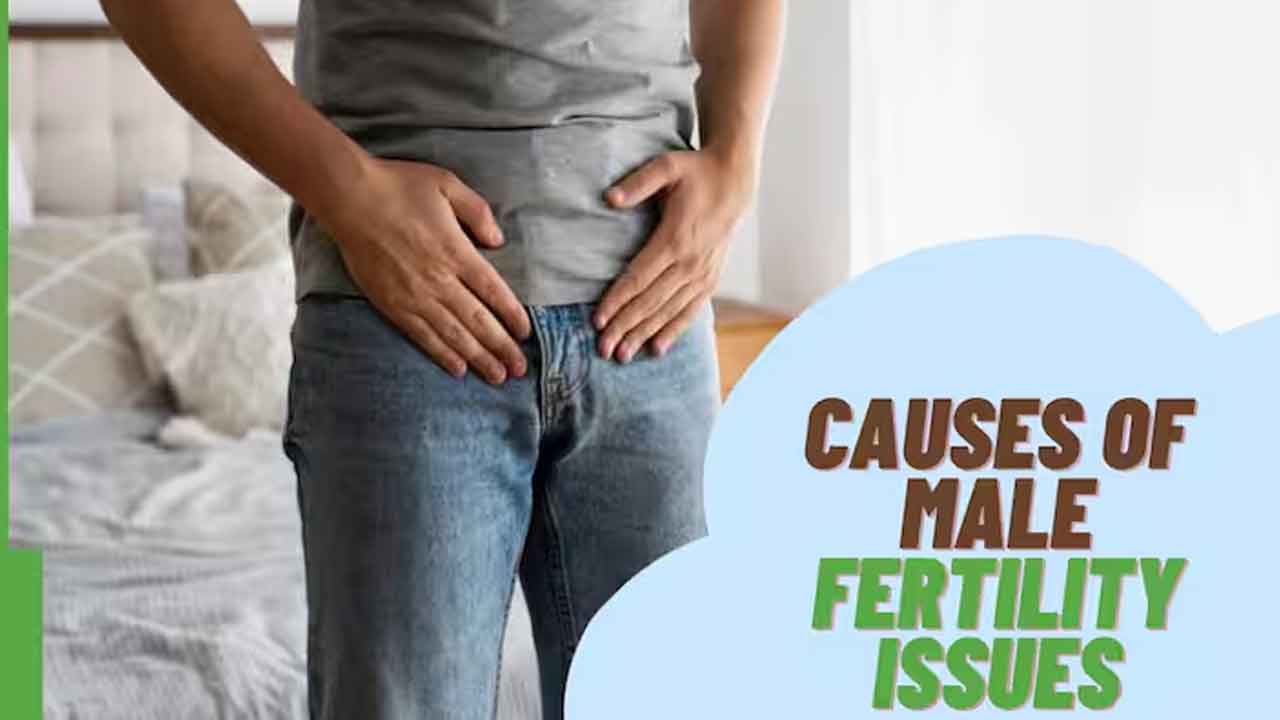
Male infertility is no longer considered a rare medical issue. Across the world, doctors are observing a steady increase in fertility challenges among men, particularly among younger adults. Studies suggest that male factors contribute to nearly half of all infertility cases in couples. Despite this, many people still assume that fertility problems are mostly related to women.
Modern lifestyles, work habits, and environmental exposure are playing a larger role in reproductive health than ever before. Small daily habits that seem harmless can gradually affect sperm health and reproductive capability. One of the most overlooked factors affecting male fertility is temperature imbalance around the testicles.
Why Temperature Plays a Critical Role in Sperm Production
The human body is designed in a way that protects sperm production through natural temperature regulation. The testicles are located outside the body because sperm production requires a slightly cooler environment than the body’s internal temperature.
For optimal sperm development, the temperature around the testicles needs to remain approximately 2 to 4 degrees Celsius lower than the normal body temperature. This cooler environment supports the process of spermatogenesis, the biological process responsible for producing sperm.
When this delicate temperature balance is repeatedly disturbed due to heat exposure, sperm production can slow down or become less efficient. Over time, prolonged heat exposure may reduce sperm count, affect sperm motility, and lower overall reproductive health.
Laptop Use on the Lap and Its Impact on Male Fertility
One of the most common habits affecting male reproductive health today is the frequent use of laptops directly on the lap. While it may seem convenient, laptops generate significant heat, which quickly increases the temperature in the scrotal region.
Even short periods of direct laptop exposure can raise the temperature around the testicles. When this happens repeatedly over months or years, it can interfere with sperm production. Doctors have observed that many young men with reduced sperm parameters often share a common habit of prolonged laptop use on their laps.
Using a laptop on a desk instead of the lap can significantly reduce heat exposure. Ensuring proper ventilation and limiting direct heat contact with the body can help maintain the natural temperature balance necessary for sperm production.
Tight Clothing and Restricted Airflow
Fashion trends often encourage tight clothing, including slim jeans, tight underwear, and compression garments. However, these clothing choices can restrict airflow and trap heat around the groin area.
When the scrotal region remains warm for extended periods, it may negatively affect sperm development. While tight clothing alone does not directly cause infertility, it can contribute to reduced sperm quality when combined with other lifestyle factors.
Choosing breathable fabrics such as cotton and wearing comfortable, relaxed clothing helps maintain better airflow and temperature control. Such simple adjustments can support healthier reproductive conditions.
Excessive Heat Exposure from Daily Habits
Beyond clothing and laptop usage, several everyday habits expose the body to unnecessary heat. Long hot baths, frequent sauna sessions, heated car seats, and sitting for extended hours without movement can gradually increase scrotal temperature.
Many men working in desk-based jobs or professions that involve long hours of sitting may unknowingly expose themselves to this form of thermal stress. Over time, repeated exposure to elevated temperature may influence sperm count and motility.
Fortunately, sperm production follows a biological cycle that lasts around 70 to 75 days. This means that lifestyle improvements can gradually restore sperm quality if healthier habits are adopted consistently.
The Role of Lifestyle in Male Reproductive Health
Male fertility is closely connected with overall lifestyle and health choices. Factors such as chronic stress, smoking, alcohol consumption, poor diet, lack of physical activity, and insufficient sleep can collectively influence sperm health.
Nutritional deficiencies and poor metabolic health may also affect hormone balance, which plays a vital role in reproductive function. When multiple unhealthy habits combine, they can significantly impact fertility potential.
Adopting a balanced lifestyle that includes regular exercise, nutritious food, proper sleep, and stress management can greatly improve reproductive health over time.
Common Signs That May Indicate Male Fertility Problems
Many men remain unaware of fertility issues until they begin planning for a family. Certain symptoms may signal potential reproductive health concerns, although they are often ignored.
One of the most common indicators is a low sperm count, medically known as oligospermia. Another issue is reduced sperm motility, referred to as asthenospermia, where sperm struggle to move effectively toward the egg.
Other warning signs may include ejaculation difficulties, erectile dysfunction, or difficulty achieving pregnancy despite regular attempts for six months to a year. These signs should not be ignored, as early evaluation can help identify underlying causes.
Why Early Diagnosis Is Important
Medical experts emphasize that male fertility evaluation is simple and accessible. A basic semen analysis test provides valuable information about sperm count, motility, and overall reproductive health.
Early diagnosis allows doctors to identify potential problems and recommend suitable treatments or lifestyle changes before the condition worsens. In many cases, fertility issues related to lifestyle factors can be improved through healthier habits and timely medical guidance.
Addressing fertility concerns early also reduces emotional stress for couples who are trying to conceive. Understanding reproductive health and making informed lifestyle choices can significantly improve the chances of achieving a healthy pregnancy.